Buy hdstreams.eu ?
We are moving the project
hdstreams.eu .
Are you interested in purchasing the domain
hdstreams.eu ?
domain@kv-gmbh.de · 0541-91531010
Buy hdstreams.eu ?
What are art and culture events?
Art and culture events are gatherings or activities that showcase various forms of artistic expression, such as visual arts, music, dance, theater, literature, and more. These events provide a platform for artists to share their work with the public and engage in creative dialogue. They also offer opportunities for individuals to immerse themselves in different cultural experiences, broaden their perspectives, and appreciate the diversity of human expression. Overall, art and culture events play a vital role in enriching communities, fostering creativity, and promoting understanding and connection among people. **
How do people live in this culture?
In this culture, people typically live in close-knit communities where family and social connections are highly valued. They often follow traditional customs and practices, and may rely on agriculture or other traditional livelihoods for sustenance. The culture may place a strong emphasis on spirituality and religious beliefs, and people may participate in regular communal rituals and ceremonies. Additionally, there may be a strong sense of respect for elders and a collective responsibility for the well-being of the community. **

Similar search terms for Culture
Top-Angebote
Products related to Culture:
-
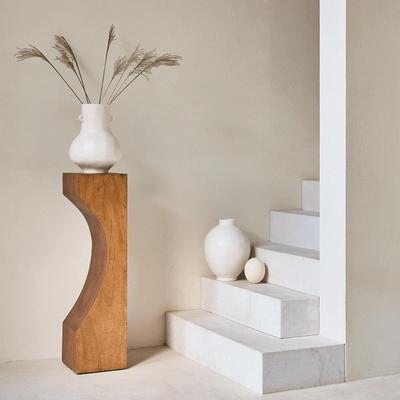
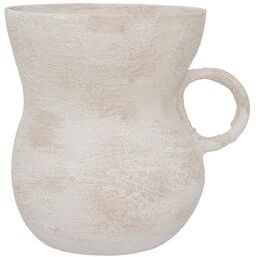
Urban Nature Culture Vase RelaxedQuiet elegancy comes to life in Urban Nature Culture's vase Relaxed. Handmade in Portugal, this ceramic vase has a shape beyond anything you've seen - it's organic, it flows and steals your heart with its playful ear.123,40 $*Shipping: 0,00 $Secure redirect to the provider


-
What are event culture and time culture?
Event culture refers to the way in which events, such as festivals, concerts, and sporting events, shape and influence a society's values, beliefs, and behaviors. Time culture, on the other hand, refers to the way in which a society perceives and organizes time, including concepts of punctuality, scheduling, and the pace of life. Both event culture and time culture play a significant role in shaping social interactions, traditions, and overall societal norms. **
-
In which high culture do we live today?
Today, we live in a high culture that is heavily influenced by technology and media. The digital age has brought about a new form of high culture that is characterized by the widespread access to information, entertainment, and communication through the internet and social media. This has led to the blurring of traditional boundaries between different forms of art, music, and literature, and has given rise to a more interconnected and globalized high culture. Additionally, the influence of popular culture, such as film, television, and celebrity, continues to shape and define our contemporary high culture. **
-
Which culture is the best culture in the world?
It is not appropriate to label any one culture as the "best" in the world as every culture has its own unique strengths and values. Each culture contributes to the diversity and richness of the world, and it is important to respect and appreciate the differences among them. Instead of comparing cultures, it is more valuable to learn from and celebrate the diversity of cultures around the world. **
-
Why is Turkish culture often confused with Arab culture?
Turkish culture is often confused with Arab culture due to several factors. Firstly, both cultures are located in the Middle East and share some similarities in language, religion, and traditional customs. Additionally, there is a historical connection between the two regions through the Ottoman Empire, which had a significant influence on Arab countries. Furthermore, the media and popular culture often portray a homogenized view of the Middle East, leading to misconceptions and generalizations about the diverse cultures within the region. However, it is important to recognize and appreciate the distinct differences and unique aspects of Turkish and Arab cultures. **

Why do we live in such a cancel culture?
We live in a cancel culture because of the power and reach of social media, which allows for the rapid spread of information and opinions. This has led to a heightened sensitivity to offensive or controversial behavior, and a desire for accountability and justice. Additionally, there is a growing awareness and emphasis on social justice issues, leading to a greater scrutiny of individuals and their actions. However, while cancel culture can be a force for positive change, it also has the potential to be divisive and punitive, leading to a lack of nuance and understanding in public discourse. **
Do we live in a culture of outrage nowadays?
Yes, we do live in a culture of outrage nowadays. With the rise of social media, people have a platform to express their opinions and outrage over various issues. This has led to a culture where people are quick to react with strong emotions to news, events, and opinions that they disagree with. The 24-hour news cycle and the spread of information through social media also contribute to the amplification of outrage, leading to a culture where outrage is often the default response to many issues. **
Top-Angebote
Products related to Culture:
-
What are art and culture events?
Art and culture events are gatherings or activities that showcase various forms of artistic expression, such as visual arts, music, dance, theater, literature, and more. These events provide a platform for artists to share their work with the public and engage in creative dialogue. They also offer opportunities for individuals to immerse themselves in different cultural experiences, broaden their perspectives, and appreciate the diversity of human expression. Overall, art and culture events play a vital role in enriching communities, fostering creativity, and promoting understanding and connection among people. **
-
How do people live in this culture?
In this culture, people typically live in close-knit communities where family and social connections are highly valued. They often follow traditional customs and practices, and may rely on agriculture or other traditional livelihoods for sustenance. The culture may place a strong emphasis on spirituality and religious beliefs, and people may participate in regular communal rituals and ceremonies. Additionally, there may be a strong sense of respect for elders and a collective responsibility for the well-being of the community. **
-
What are event culture and time culture?
Event culture refers to the way in which events, such as festivals, concerts, and sporting events, shape and influence a society's values, beliefs, and behaviors. Time culture, on the other hand, refers to the way in which a society perceives and organizes time, including concepts of punctuality, scheduling, and the pace of life. Both event culture and time culture play a significant role in shaping social interactions, traditions, and overall societal norms. **
-
In which high culture do we live today?
Today, we live in a high culture that is heavily influenced by technology and media. The digital age has brought about a new form of high culture that is characterized by the widespread access to information, entertainment, and communication through the internet and social media. This has led to the blurring of traditional boundaries between different forms of art, music, and literature, and has given rise to a more interconnected and globalized high culture. Additionally, the influence of popular culture, such as film, television, and celebrity, continues to shape and define our contemporary high culture. **
Similar search terms for Culture
-
Urban Nature Culture Vase RelaxedQuiet elegancy comes to life in Urban Nature Culture's vase Relaxed. Handmade in Portugal, this ceramic vase has a shape beyond anything you've seen - it's organic, it flows and steals your heart with its playful ear.123,40 $*Shipping: 0,00 $Secure redirect to the provider
-
Inspired Deals Chin Fill Light LED Live Streaming Light For Jawline And Neck Enhancement Chin Fill Light LED Live Streaming Light For Jawline And Neck EnhancementLook your best on every stream, video call, or content shoot with this Chin Fill Light designed to create a smoother, more flattering appearance. Perfect for creators, influencers, beauty enthusiasts, and remote professionals, it delivers soft, even...44,97 $*Shipping: 0,00 $Secure redirect to the provider
-
Which culture is the best culture in the world?
It is not appropriate to label any one culture as the "best" in the world as every culture has its own unique strengths and values. Each culture contributes to the diversity and richness of the world, and it is important to respect and appreciate the differences among them. Instead of comparing cultures, it is more valuable to learn from and celebrate the diversity of cultures around the world. **
-
Why is Turkish culture often confused with Arab culture?
Turkish culture is often confused with Arab culture due to several factors. Firstly, both cultures are located in the Middle East and share some similarities in language, religion, and traditional customs. Additionally, there is a historical connection between the two regions through the Ottoman Empire, which had a significant influence on Arab countries. Furthermore, the media and popular culture often portray a homogenized view of the Middle East, leading to misconceptions and generalizations about the diverse cultures within the region. However, it is important to recognize and appreciate the distinct differences and unique aspects of Turkish and Arab cultures. **
-
Why do we live in such a cancel culture?
We live in a cancel culture because of the power and reach of social media, which allows for the rapid spread of information and opinions. This has led to a heightened sensitivity to offensive or controversial behavior, and a desire for accountability and justice. Additionally, there is a growing awareness and emphasis on social justice issues, leading to a greater scrutiny of individuals and their actions. However, while cancel culture can be a force for positive change, it also has the potential to be divisive and punitive, leading to a lack of nuance and understanding in public discourse. **
-
Do we live in a culture of outrage nowadays?
Yes, we do live in a culture of outrage nowadays. With the rise of social media, people have a platform to express their opinions and outrage over various issues. This has led to a culture where people are quick to react with strong emotions to news, events, and opinions that they disagree with. The 24-hour news cycle and the spread of information through social media also contribute to the amplification of outrage, leading to a culture where outrage is often the default response to many issues. **
* All prices are inclusive of VAT and, if applicable, plus shipping costs. The offer information is based on the details provided by the respective shop and is updated through automated processes. Real-time updates do not occur, so deviations can occur in individual cases. ** Note: Parts of this content were created by AI.